Der Workstation-Blog
Security
Beiträge mit dem Tag Security.
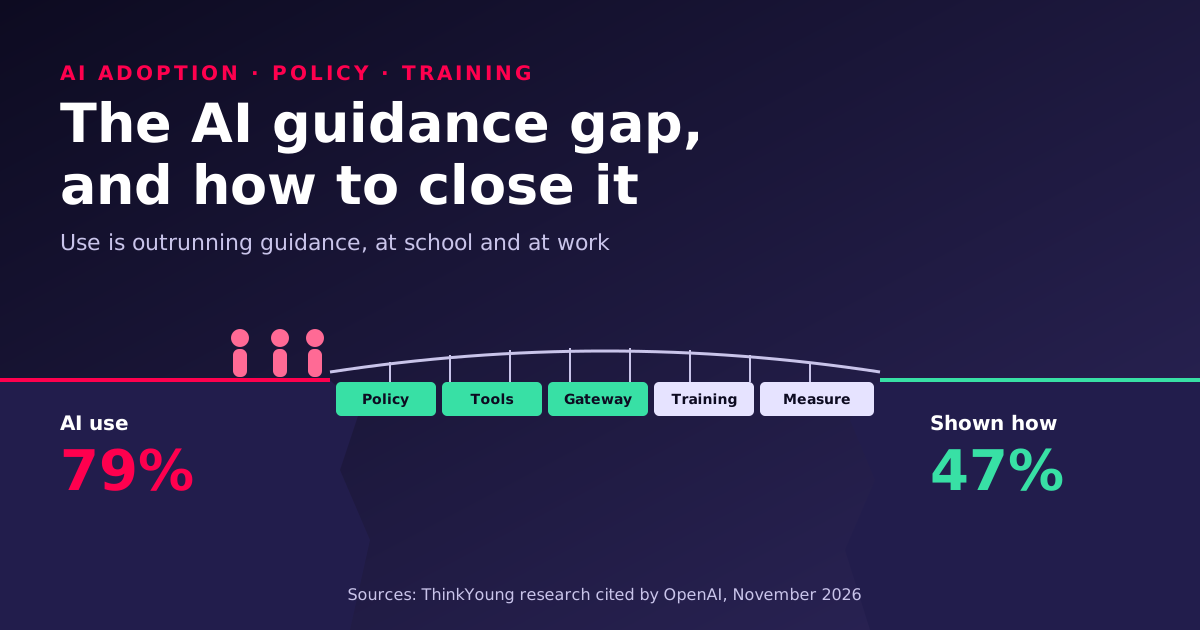
The AI Guidance Gap: Use Outpaces Training at School and at Work
79% of students use AI for homework but only 47% were shown how, according to ThinkYoung research cited by OpenAI. Workplaces show the same gap. A 90-day playbook for business leaders: policy by data class, approved tools, a gateway, role-based training and usage metrics.
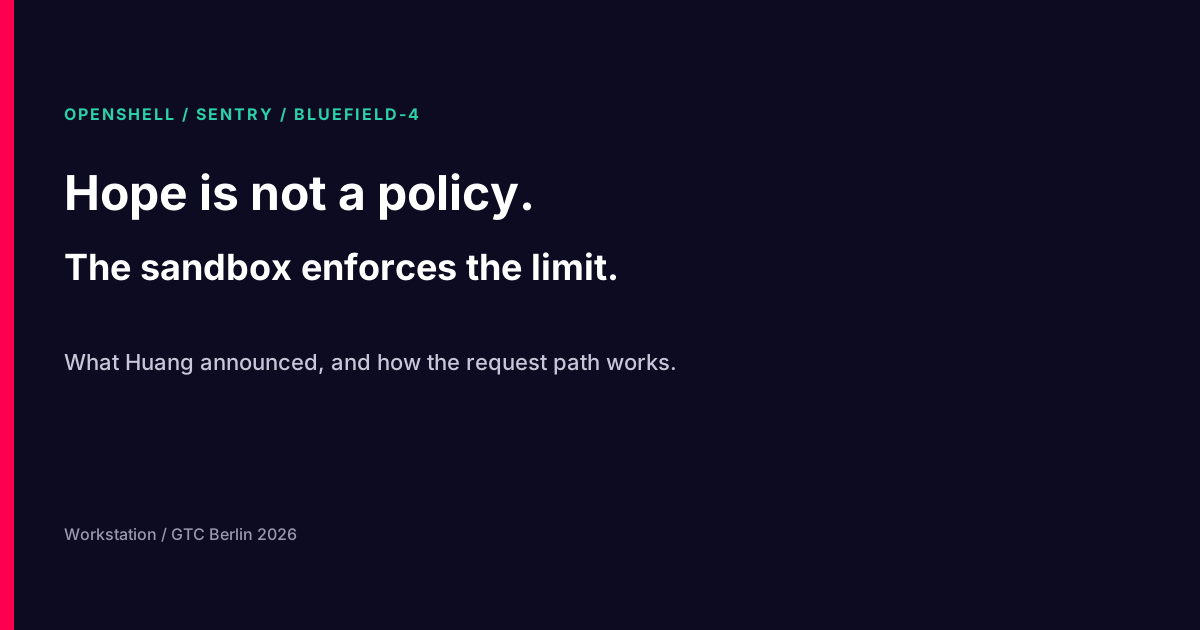
OpenShell, vorgestellt auf der GTC Berlin: Richtlinien außerhalb des Agenten
Huangs Sicherheitsfilm verwarf „Bitte nicht“ als Kontrollmechanismus. OpenShell setzt eine Richtlinie für Systemaufrufe, Dateien und Netzwerk durch, mit Sentry auf BlueField-4.
 Balinder WaliaLesen
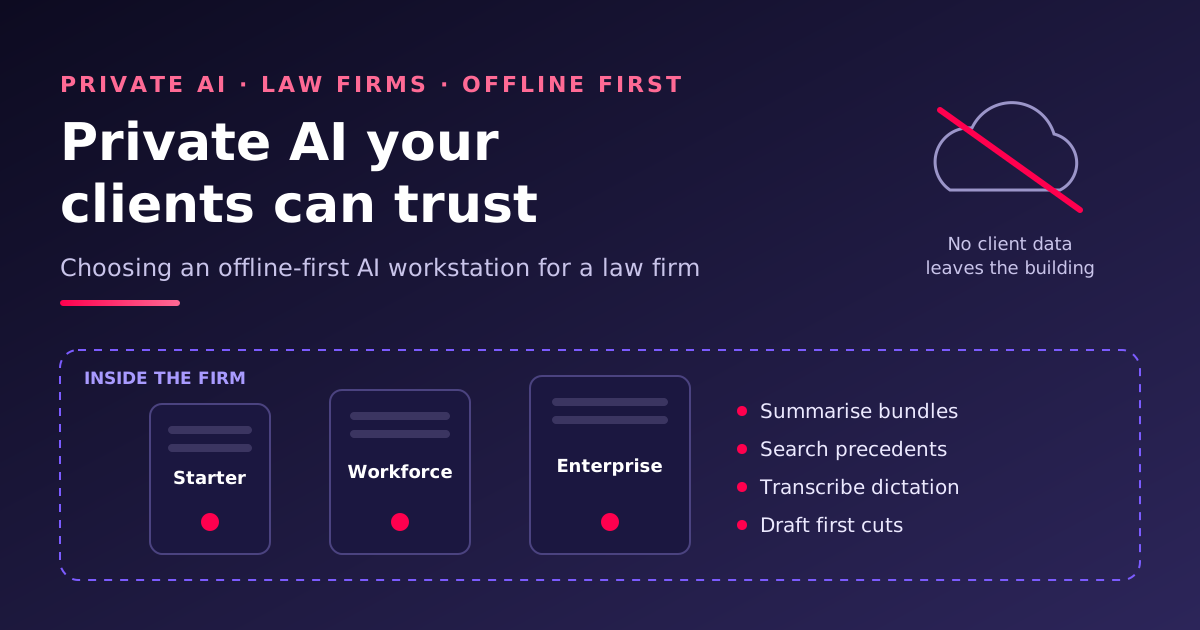
Private KI für Anwaltskanzleien: Eine Offline-first-Workstation wählen, der Ihre Mandanten vertrauen können
Wie eine Anwaltskanzlei eine Workstation für private KI auswählt, die ohne Internetverbindung läuft: wer sie nutzt, welches Modell, wie viel GPU-Speicher, wie stark sie isoliert sein muss und wer sie einrichtet. Mit echten Preisen aus einem echten Angebot, den Stellen, an denen es überdimensioniert war, und den Starter-, Workforce- und Enterprise-Konfigurationen, die wir tatsächlich ausliefern würden.
Balinder WaliaLesen 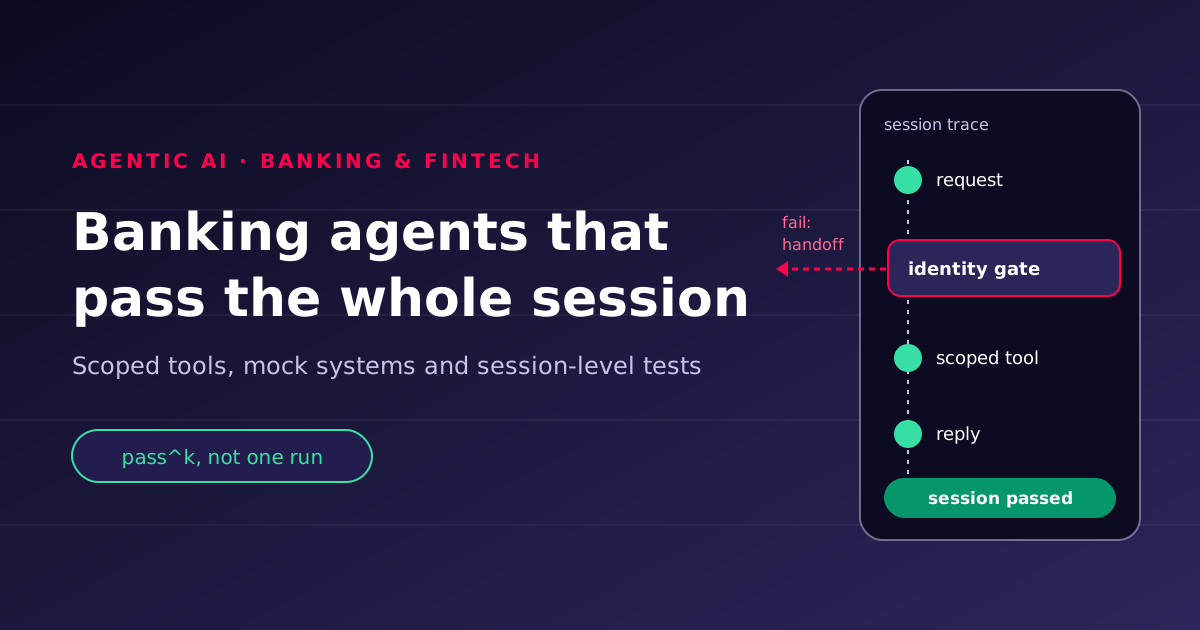
Agentic AI in banking: efficiency you can defend to a risk committee
Banking AI agents rarely fail on one bad reply; they fail across a session. How to scope tools, test whole conversations against mock systems and measure reliability with pass^k, so the time saved survives audit and production.
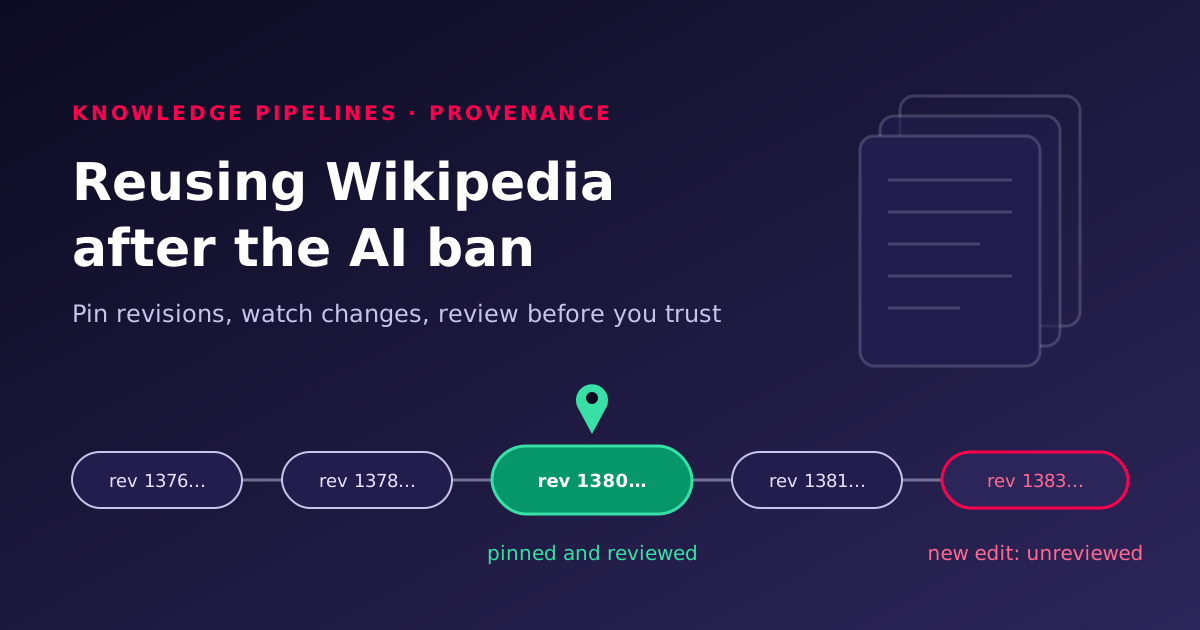
Wikipedia banned AI-written articles: what teams that reuse it should change
English Wikipedia now prohibits LLM-written article text, yet volunteers still flag a steady share of new drafts as AI-generated. If your search, chatbot or knowledge base reuses Wikipedia, here is how to pin revisions, watch edits, review changes and attribute correctly.
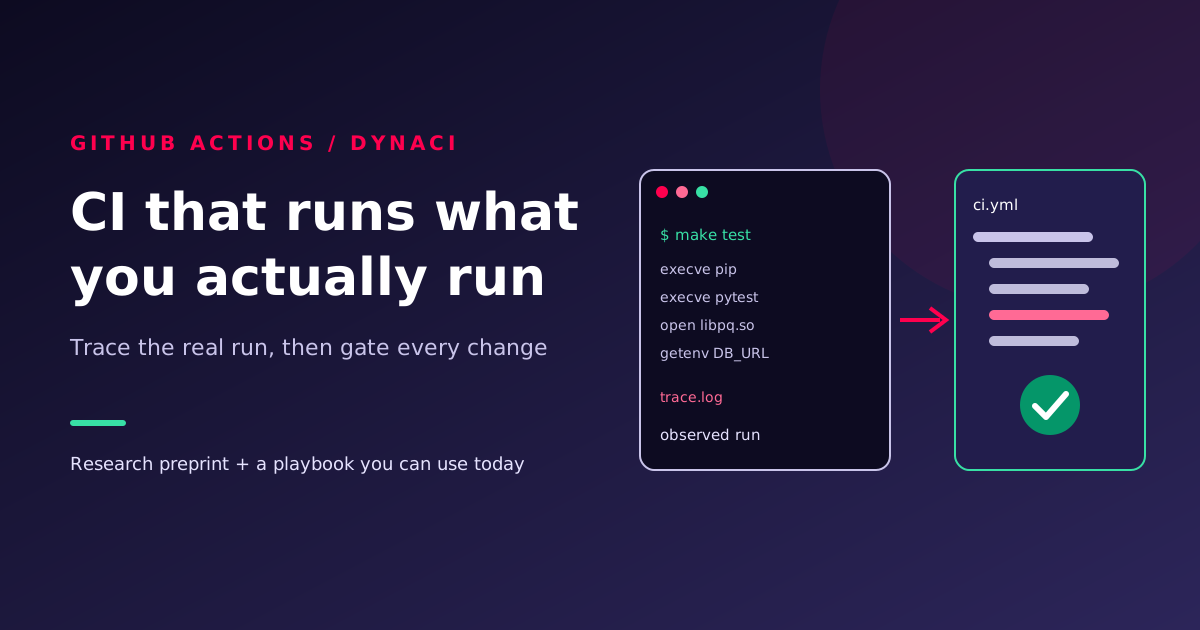
DynaCI and runtime-grounded CI: better GitHub Actions workflows
DynaCI, an October 2026 research preprint, drafts GitHub Actions workflows from traces of real local runs. What its results show, what they do not, and a playbook to lint, test, harden and review every workflow you ship.
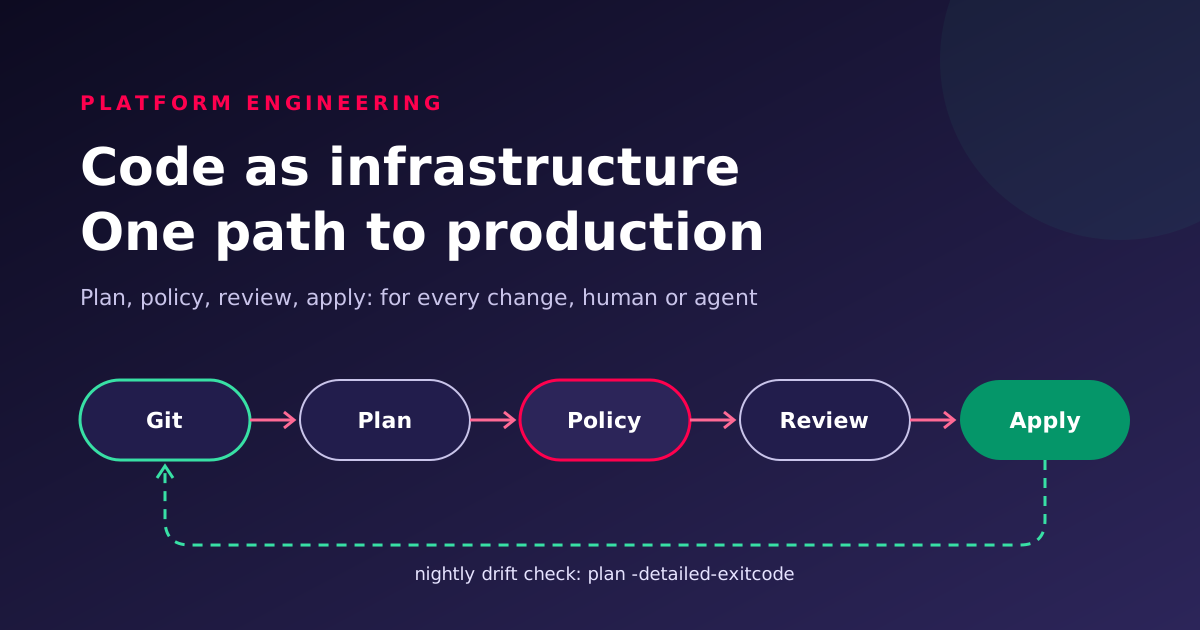
Code as infrastructure: one reviewed path for every production change
Infrastructure as code made servers into files. Code as infrastructure goes further: desired state, policy, pipelines and AI agent access all live in Git, are checked by policy, applied by automation and watched for drift. A practical playbook.
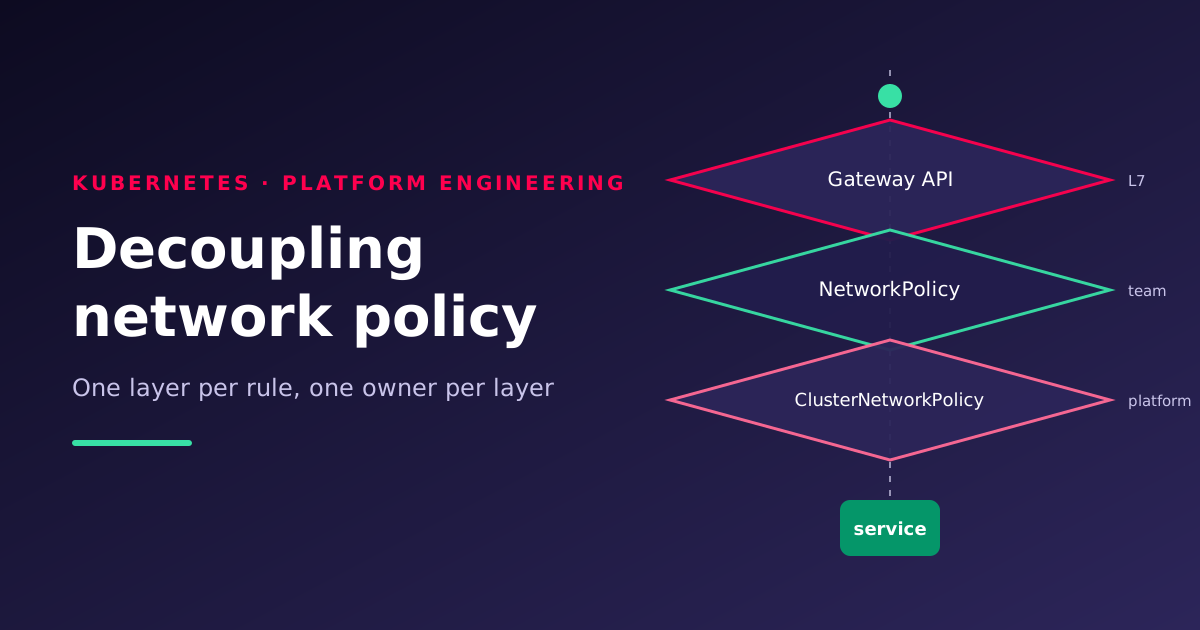
Decoupling Network Policy in Kubernetes: One Owner per Rule
Network rules scattered across annotations, app config and stray NetworkPolicies slow every change. Here is how to split them into layers with one owner each, using ClusterNetworkPolicy, NetworkPolicy and Gateway API, plus a step-by-step migration playbook.
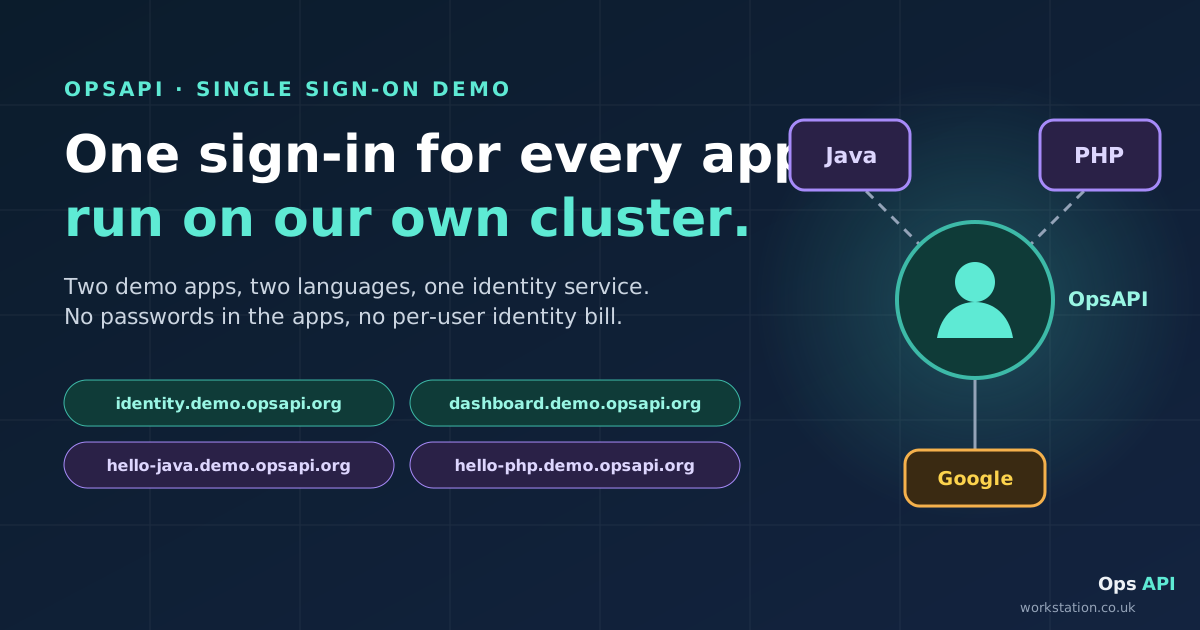
Eine Anmeldung für jede App, betrieben auf unserem eigenen Cluster
Fünf Demo-Apps in fünf Sprachen sehen nie ein Passwort und sprechen nie mit Google: Sie schicken Benutzer zu einem selbst gehosteten OpsAPI, das sie anmeldet und ein Token zurückgibt, das die App mit einem API-Aufruf prüft. Was das Anbinden einer App kostet, warum Admin-Dashboards hinter ein VPN oder einen Zero-Trust-Broker gehören, und die ehrlichen Grenzen.
Balinder WaliaLesen 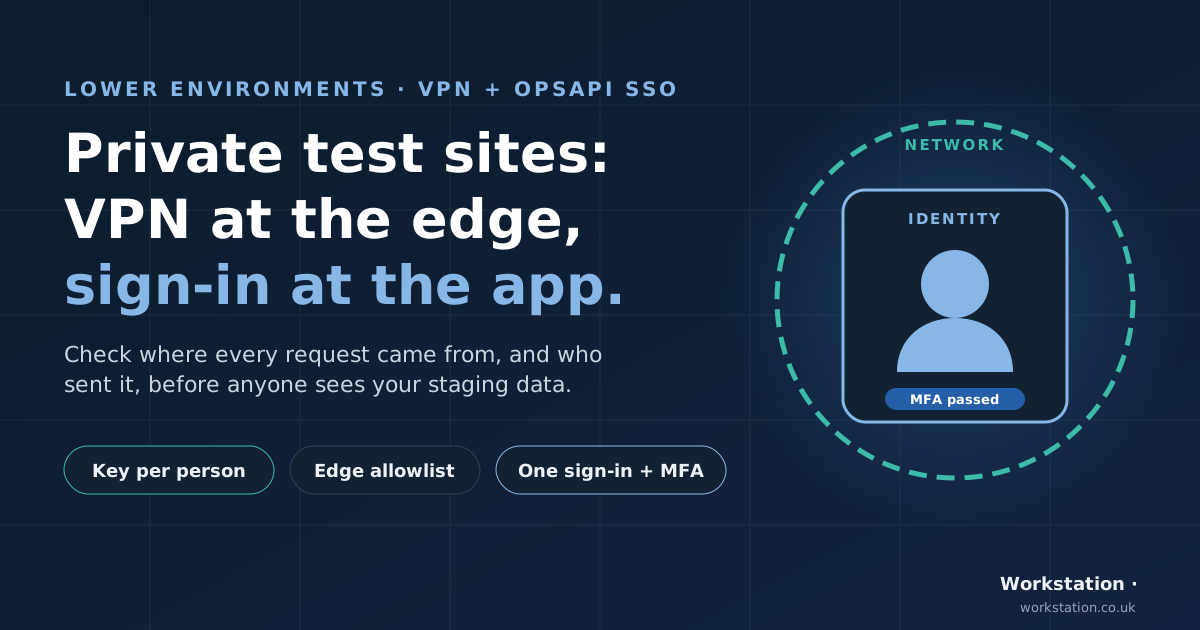
Halten Sie Ihre Test-Sites privat: VPN am Edge, eine Anmeldung für alle Apps
Staging- und Test-Sites enthalten realistisch wirkende Daten, werden aber oft nur durch eine IP-Allowlist geschützt. So halten zwei Ebenen sie privat: Ein am Edge geprüftes VPN belegt, woher eine Anfrage kam, und eine OpsAPI-Anmeldung mit MFA belegt, wer sie gesendet hat, über alle Apps hinweg.
Balinder WaliaLesen