Le blog Workstation
MLOps
Articles étiquetés MLOps.
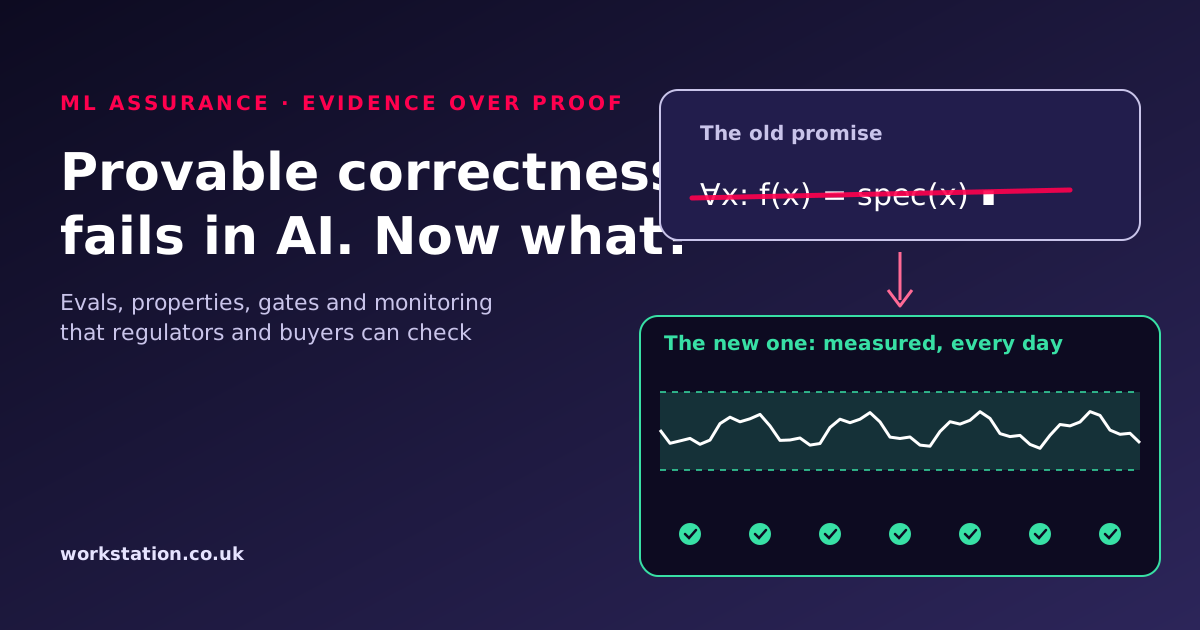
Provable Correctness Fails in AI: What Evidence to Build Instead
ML models cannot be proven correct the way code can: nobody can write down what correct means for every input. Here is the evidence to build instead, from slice metrics and property tests to LLM output contracts, release gates and monitoring.
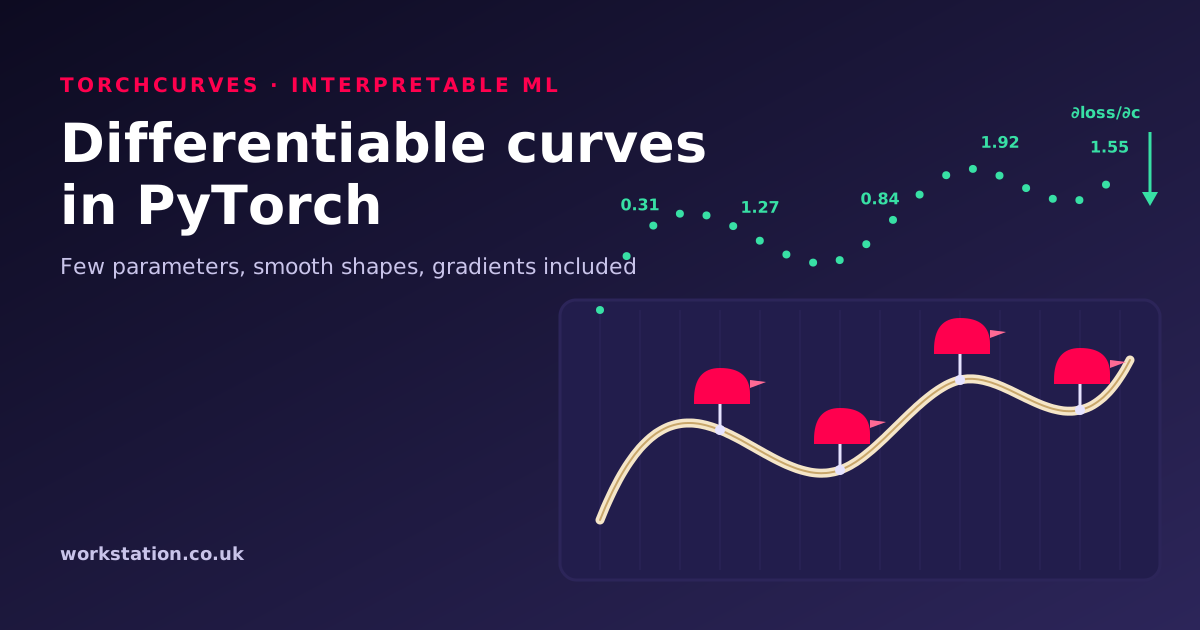
Differentiable Curves in PyTorch: Small, Auditable Models with TorchCurves
TorchCurves turns B-spline and Legendre curves into trainable PyTorch layers. What differentiable curves are, why few-parameter, plottable models help when a model must be explained or must follow a rule such as never decreasing, and how to start.
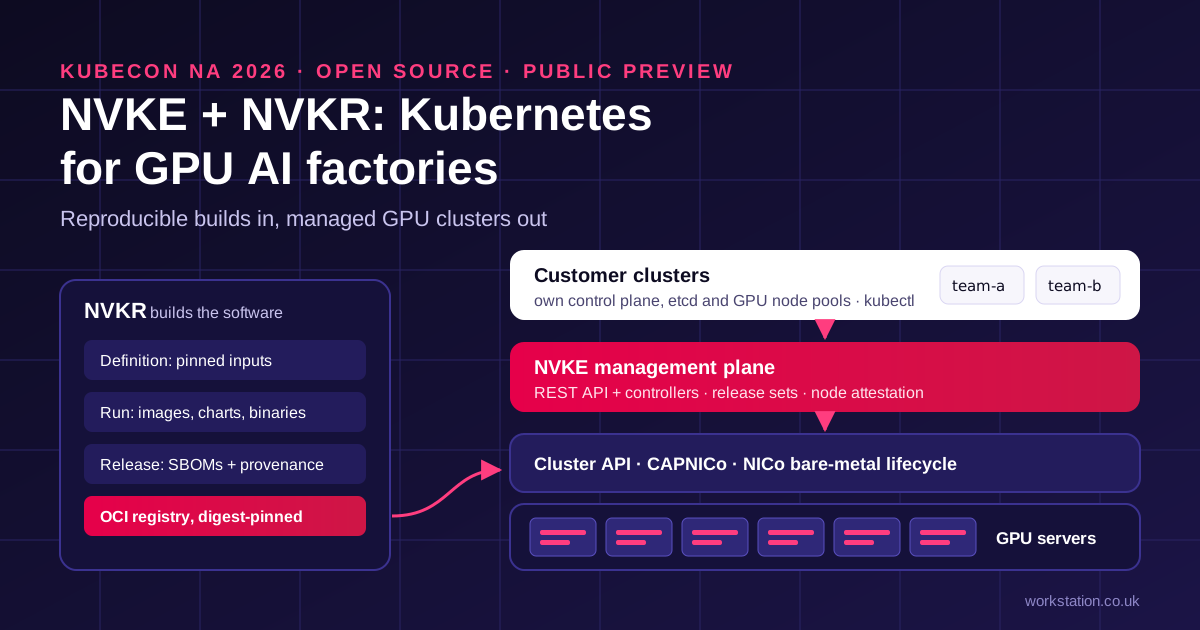
NVIDIA NVKE et NVKR : pourquoi Kubernetes pour GPU devient le système d'exploitation de l'usine d'IA
NVIDIA a publié en open source NVIDIA Kubernetes Engine (NVKE) et NVIDIA Kubernetes Recipes (NVKR) pour exploiter Kubernetes en mode géré sur une infrastructure GPU. Ce qu'ils font en termes simples, ce que signifie réellement la préversion publique, pourquoi l'ingénierie de l'IA crée une nouvelle demande de compétences cloud et DevOps, et qui devrait les évaluer dès maintenant.
 Balinder WaliaLire
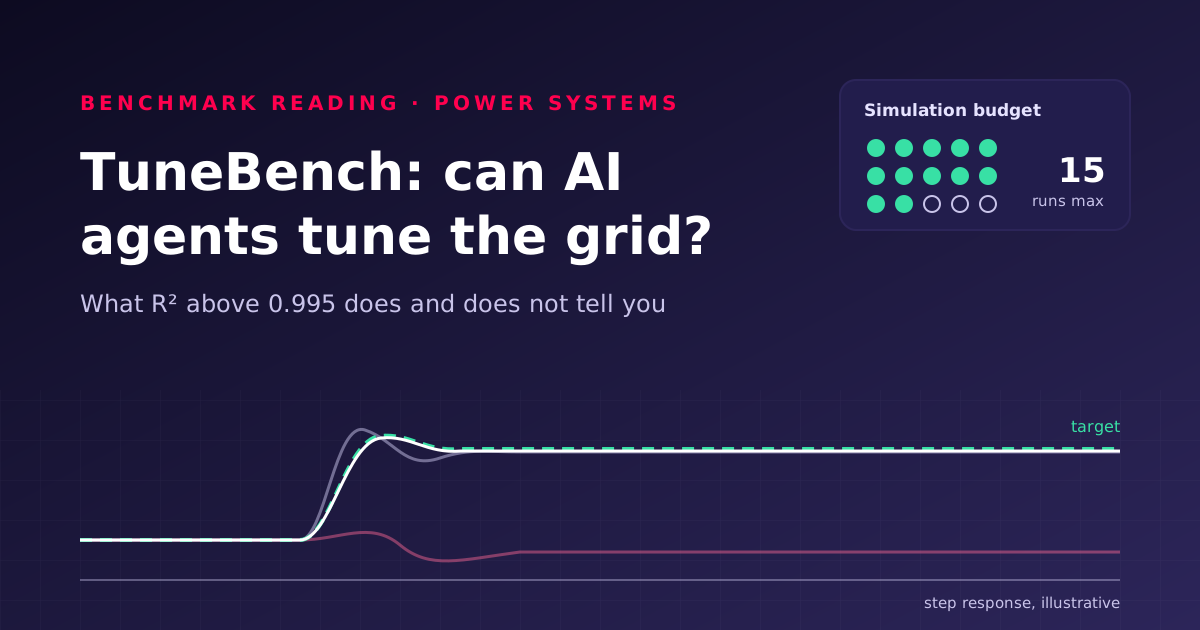
TuneBench: How Well Can AI Agents Calibrate Power System Models?
TuneBench tests LLM agents on calibrating generator and battery models within 15 simulations. Only Opus 5.5 and GPT-6 hit median R² above 0.995 in every test. What that figure means, its limits, and how to build the same kind of benchmark.
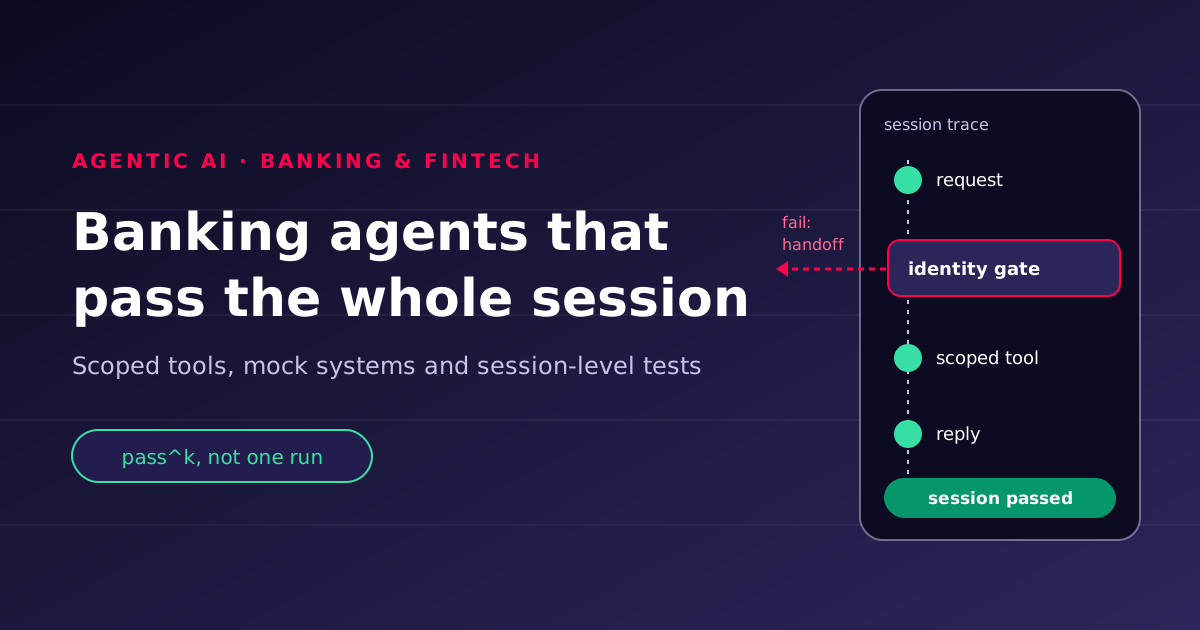
Agentic AI in banking: efficiency you can defend to a risk committee
Banking AI agents rarely fail on one bad reply; they fail across a session. How to scope tools, test whole conversations against mock systems and measure reliability with pass^k, so the time saved survives audit and production.
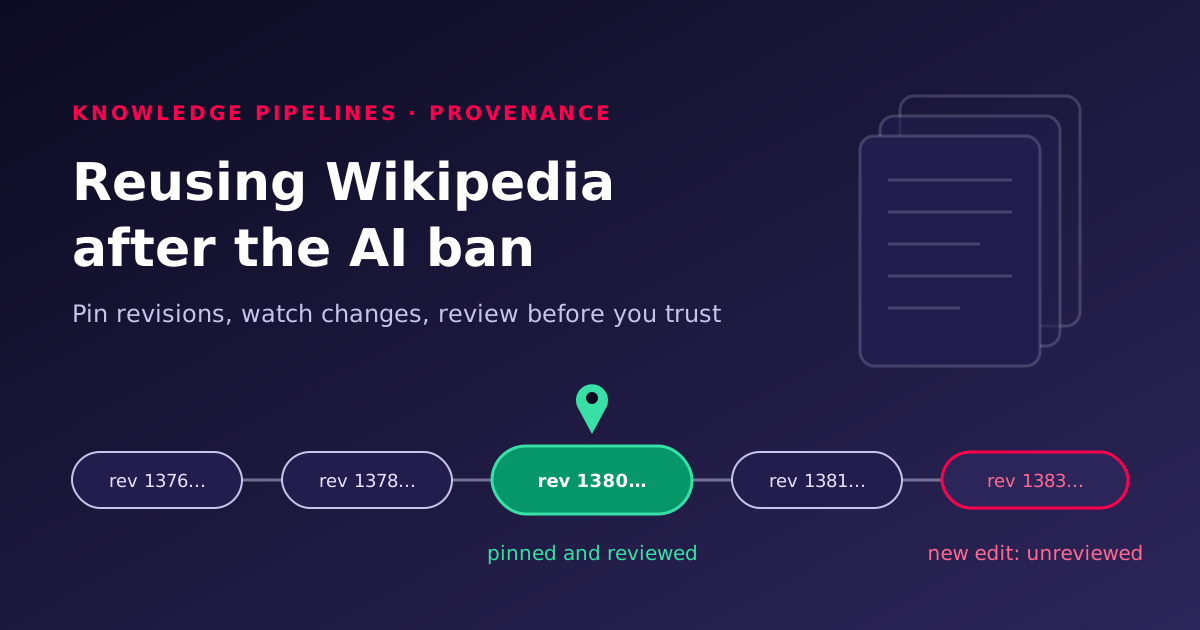
Wikipedia banned AI-written articles: what teams that reuse it should change
English Wikipedia now prohibits LLM-written article text, yet volunteers still flag a steady share of new drafts as AI-generated. If your search, chatbot or knowledge base reuses Wikipedia, here is how to pin revisions, watch edits, review changes and attribute correctly.
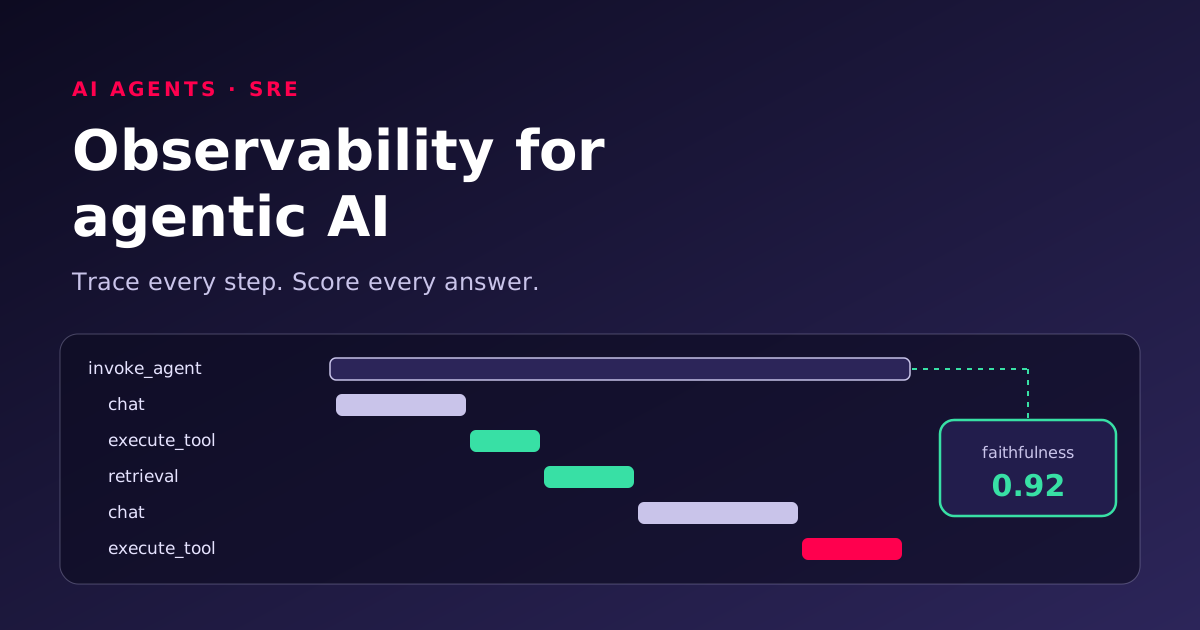
Observability for Agentic AI: Tracing, Evaluating and Auditing Agents
AI agents fail quietly: a confident answer from the wrong document, a tool called with the wrong argument. Learn how to trace every model, retrieval and tool step with OpenTelemetry, attach quality scores, and keep the records auditors ask for.
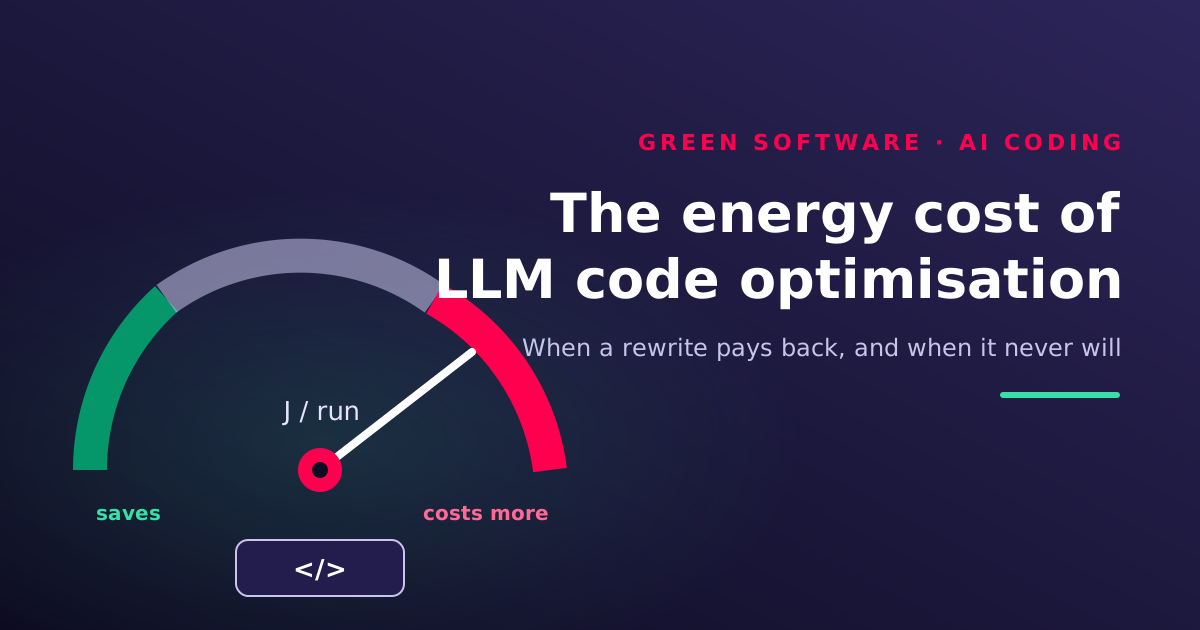
The energy cost of LLM code optimisation, and when it pays back
A 2026 study found LLM-optimised code used more energy per run than the human reference in 42 of 44 configurations. Learn the break-even rule, how to measure joules per run on Linux, and a workflow for keeping only the rewrites that pay back.
Pixel-Space Diffusion Is Back: What Changed and How to Evaluate It
Diffusion directly on pixels now competes with latent diffusion, without a separately trained autoencoder. What HDiT, SiD2, JiT and 2026 research changed, where pixel models still lose detail, and a practical way to test the trade-off on your own images.
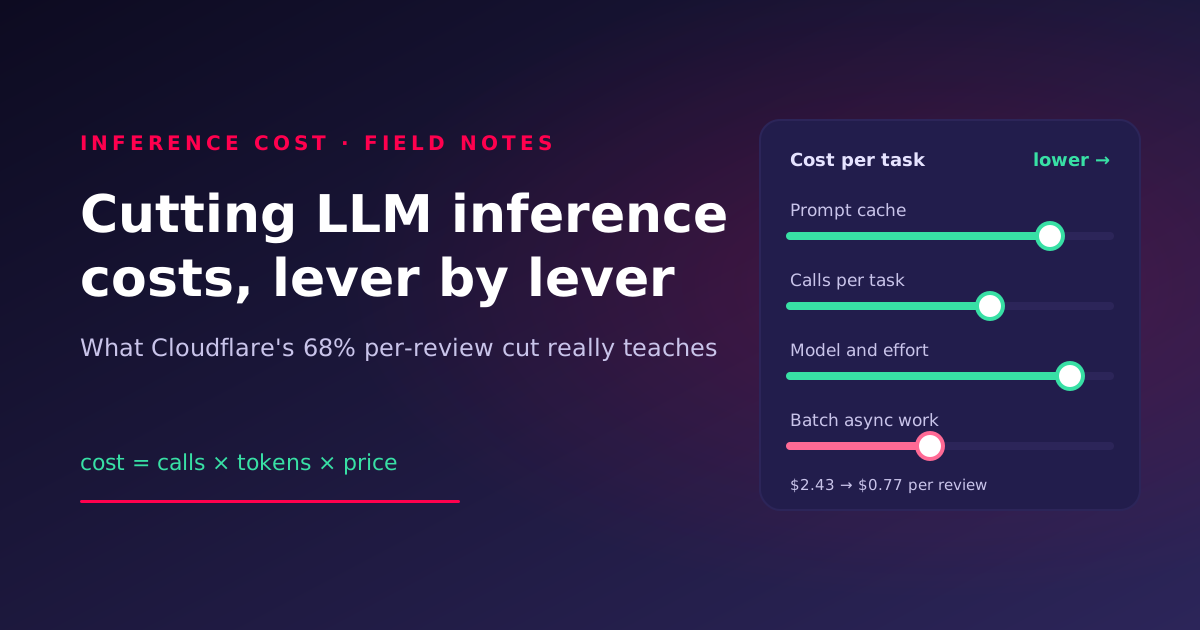
Cutting LLM Inference Costs: Lessons from Cloudflare's 68% Cut
Cloudflare cut its AI code reviewer's average cost per review by 68%. Here is what that number does and does not mean, and a measured playbook for your own workload: prompt cache breakpoints, fewer agent calls, right-sized models and batch.